

c-suite creative
Creating permission to make things that don't need to be useful
Role
Founder & Facilitator
timeline
2025-Present
the problem
i’m leading a 50-person dev + creative studio, optimizing workflows, championing AI tools, and delivering hundreds of assets on impossible timelines. I’m good at it. I’m also exhausted.
The work had become entirely transactional. Every creative decision was justified by business outcomes. Every hour was tracked. Every output was measured against metrics. I started to forget why I'd fallen in love with making things in the first place.
I needed a creative practice that had nothing to do with productivity, utility, or outcomes. Something that existed purely for the joy of making.
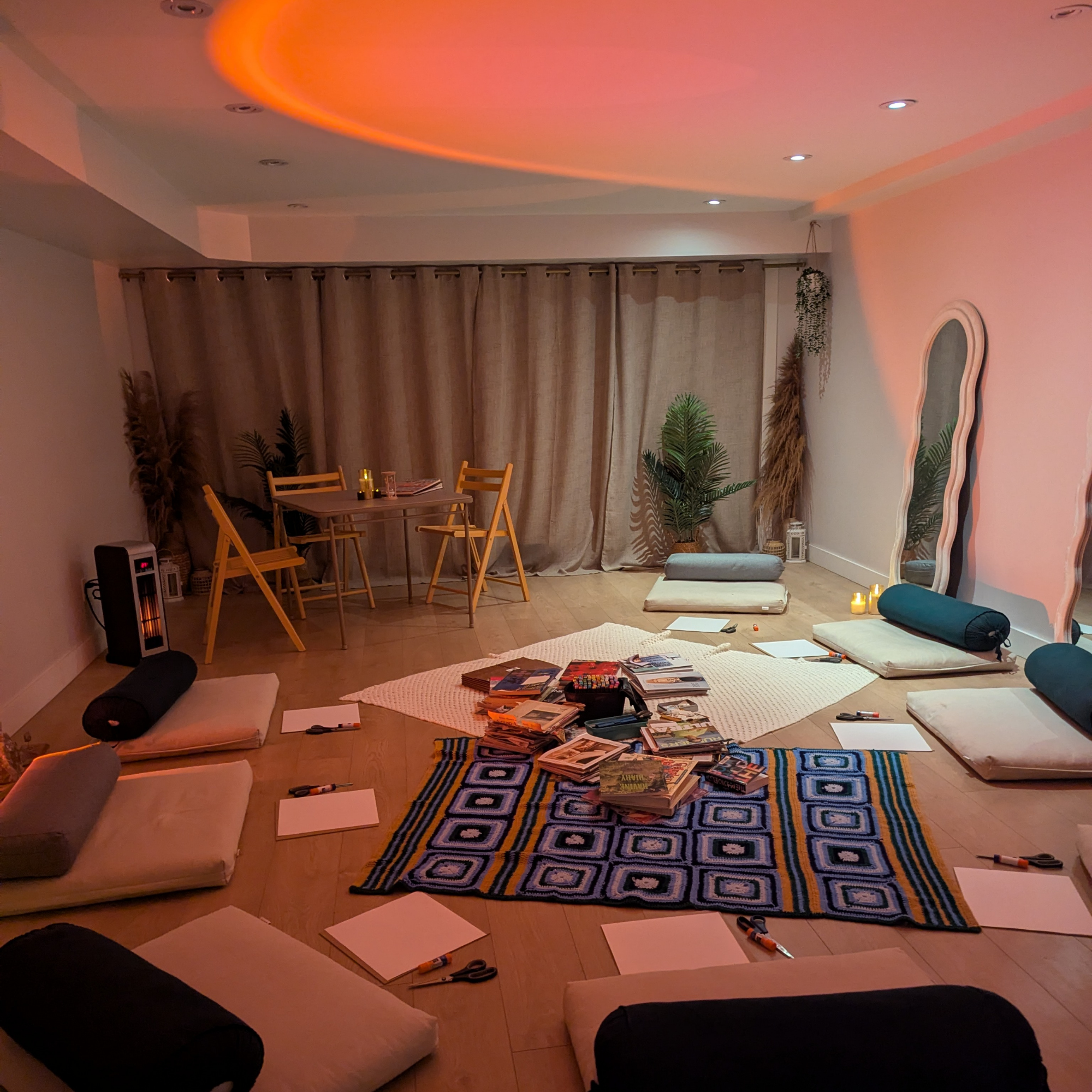
What Collage Circles Are
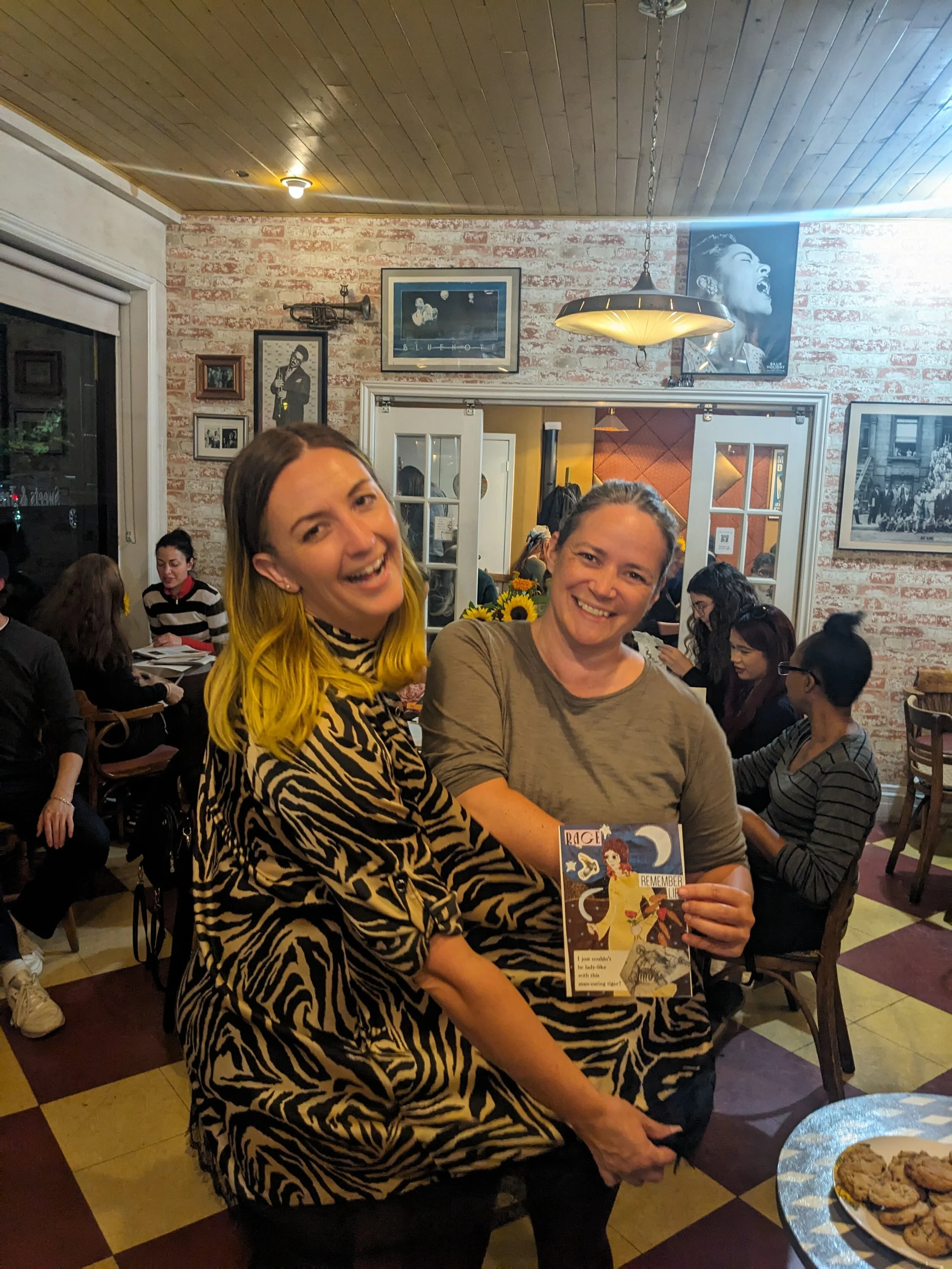
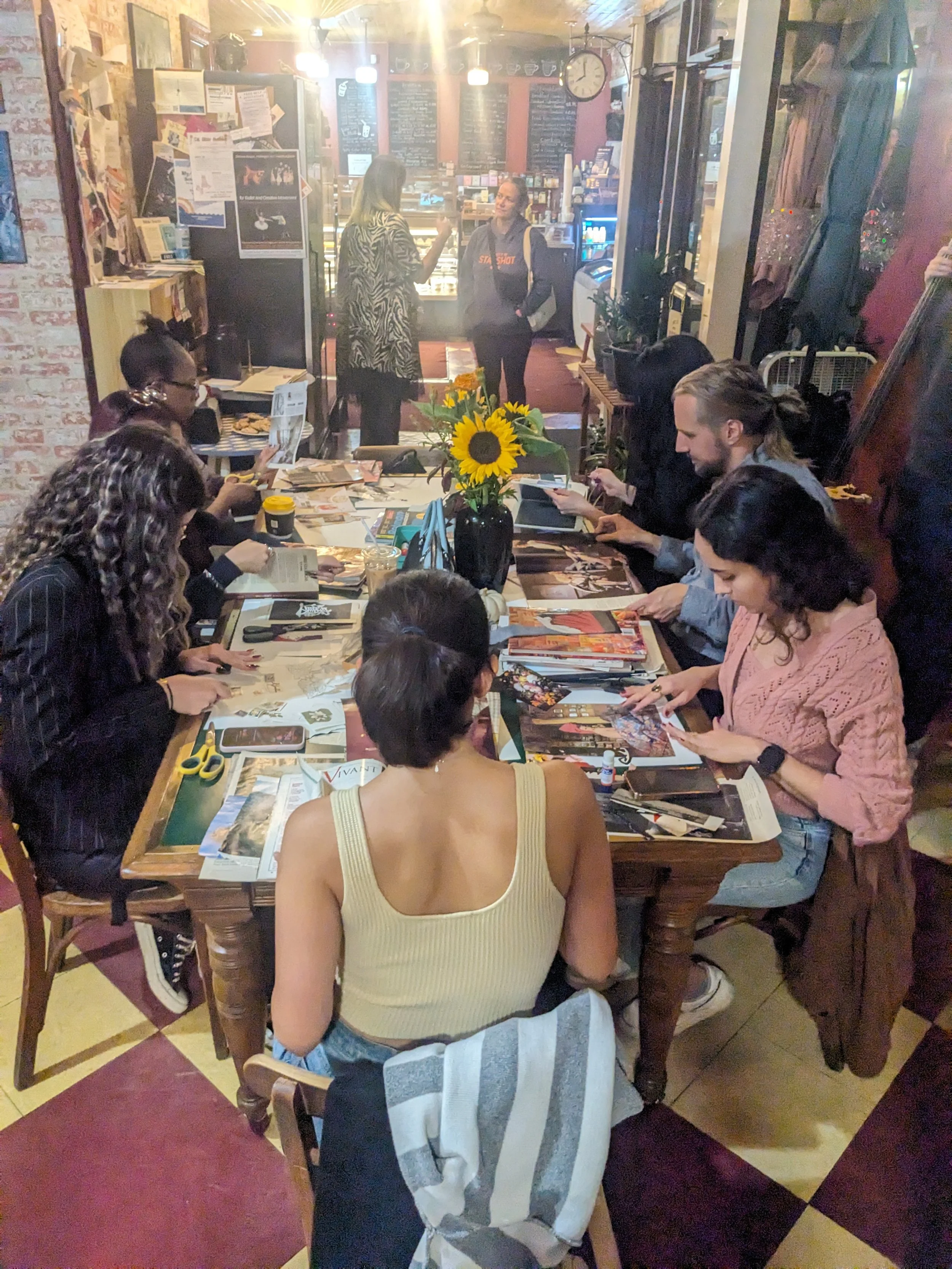
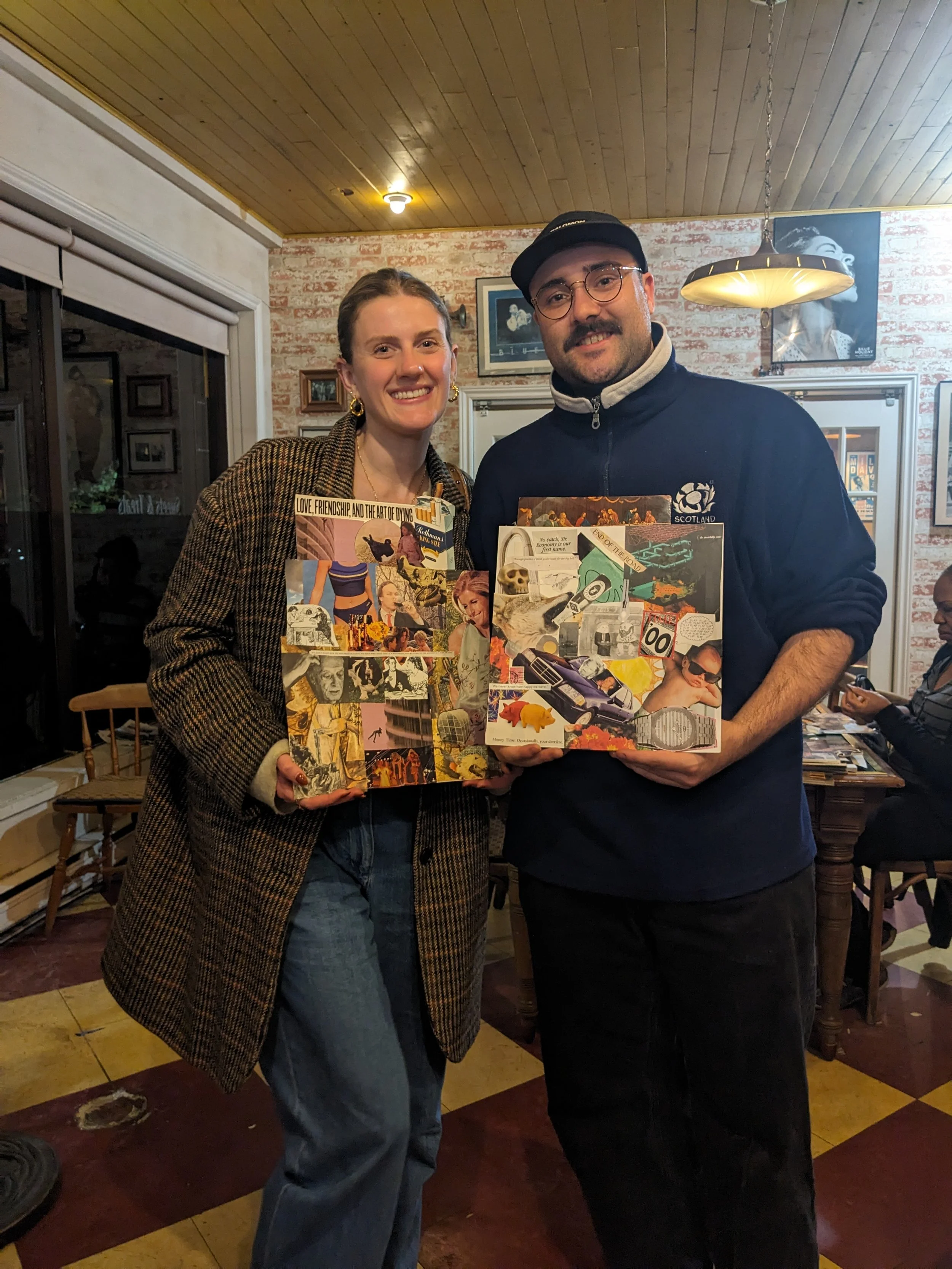
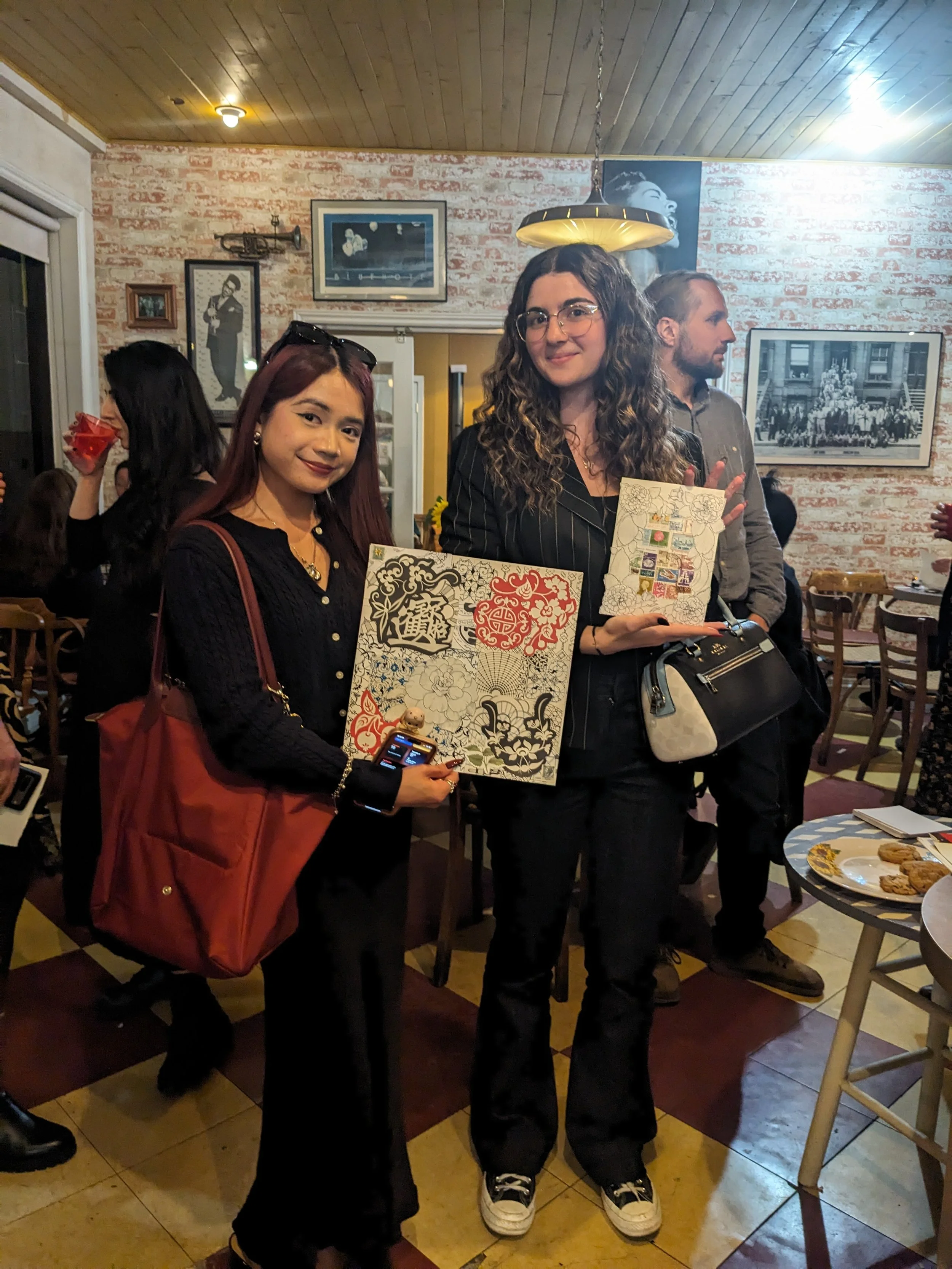
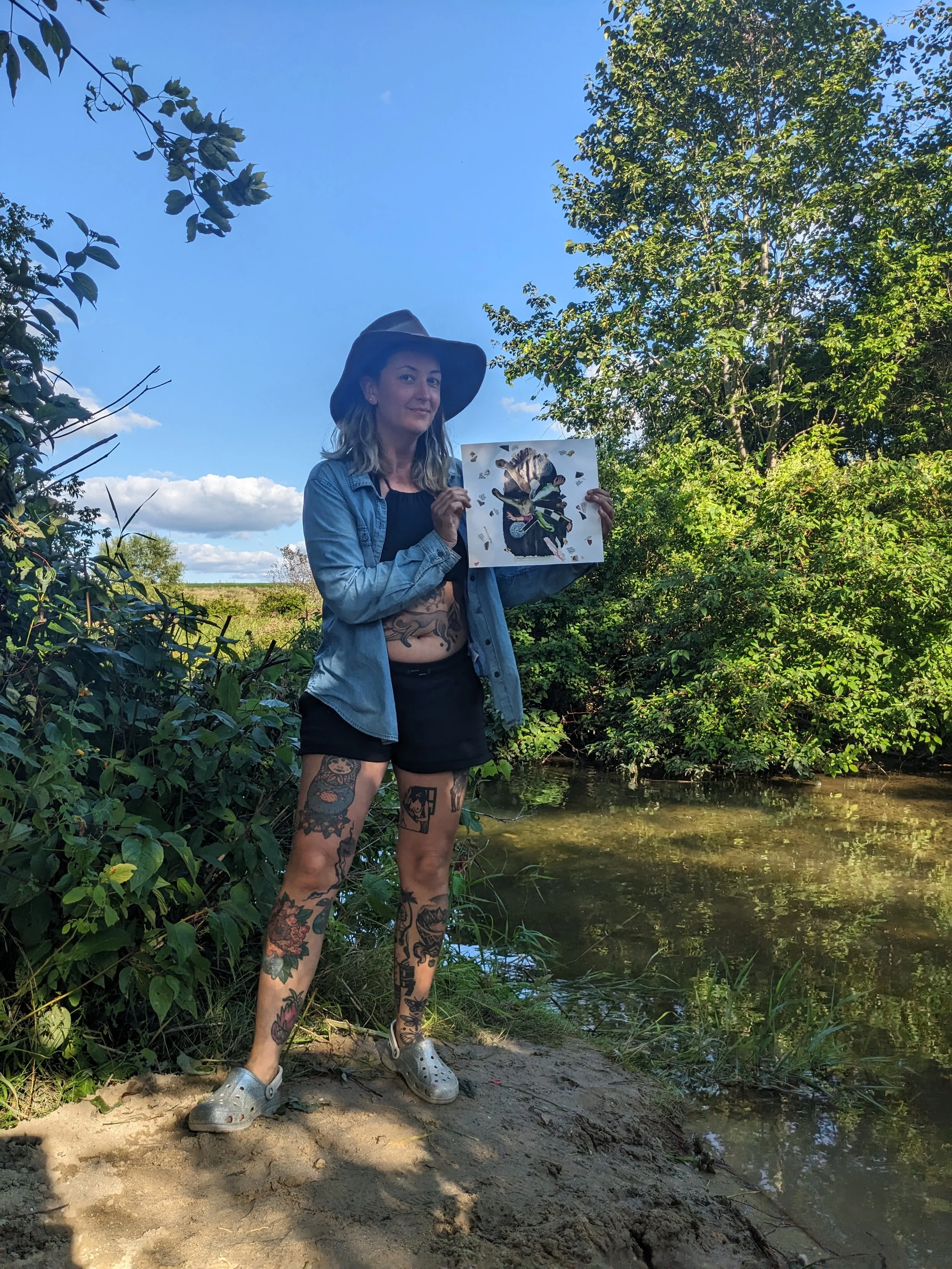
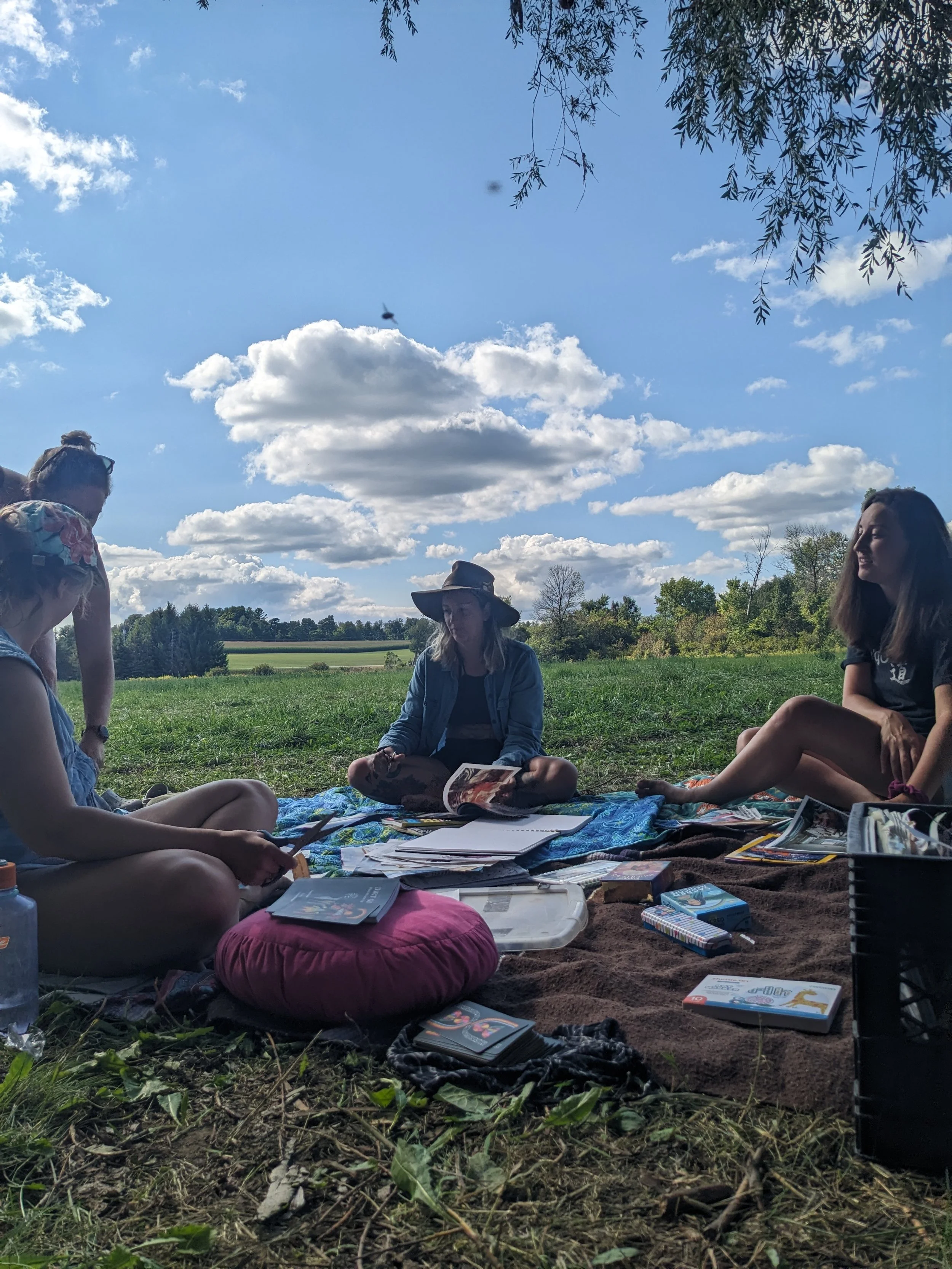
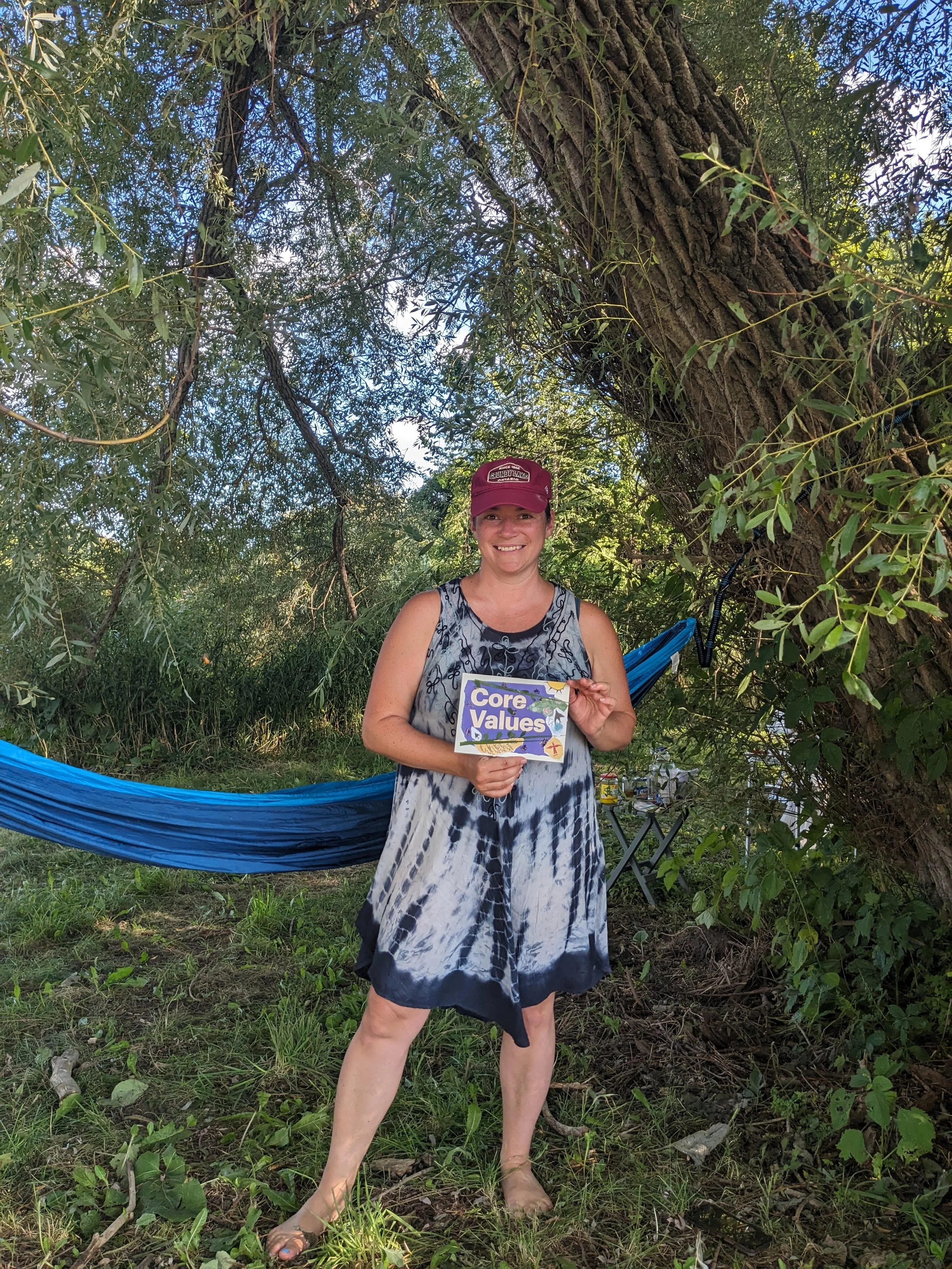
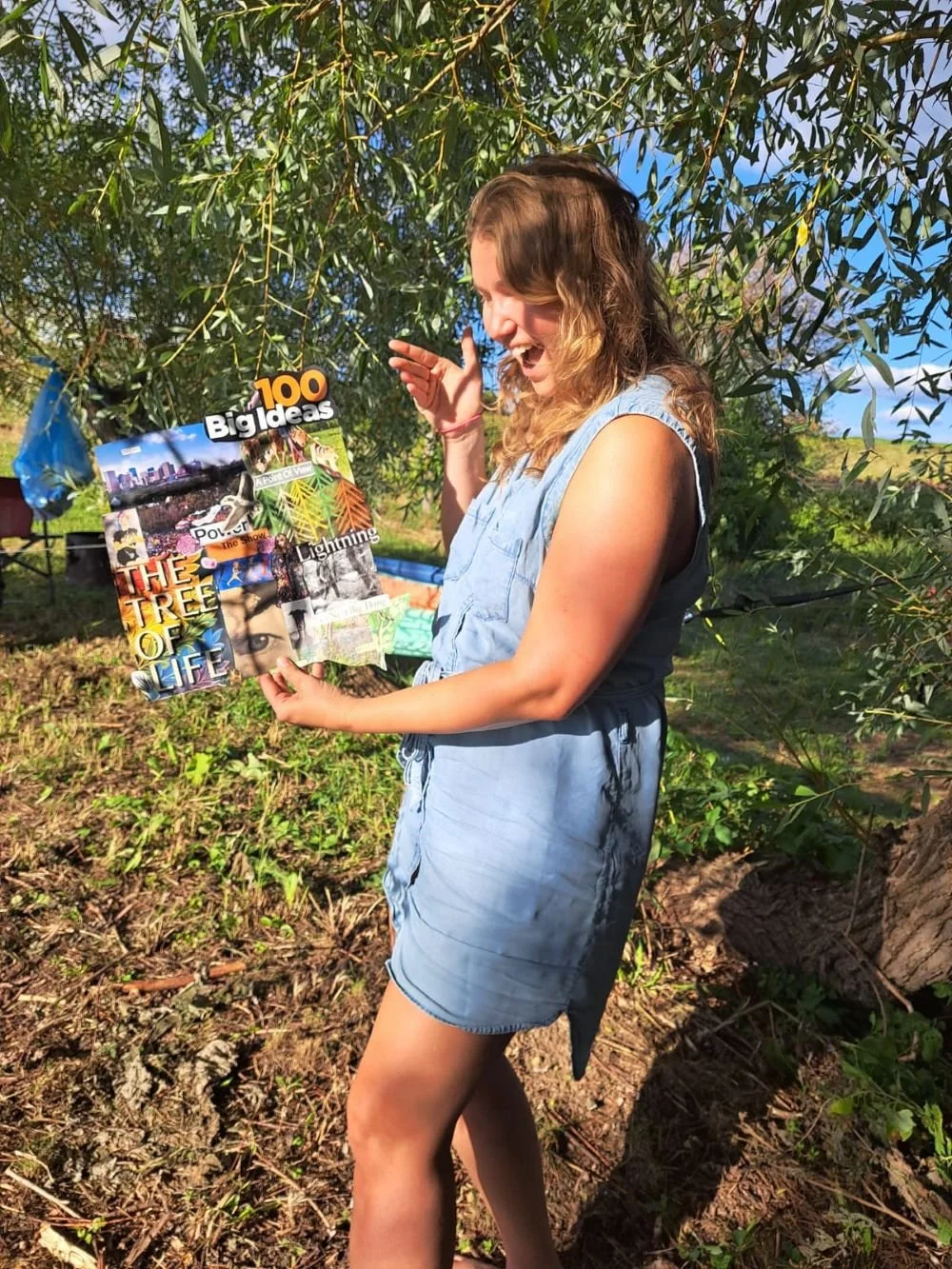
Collage Circles are community gatherings where adults come together to make collages. That's it. No theme. No assignment. No critique. Just paper, glue, scissors, and permission to create without purpose.
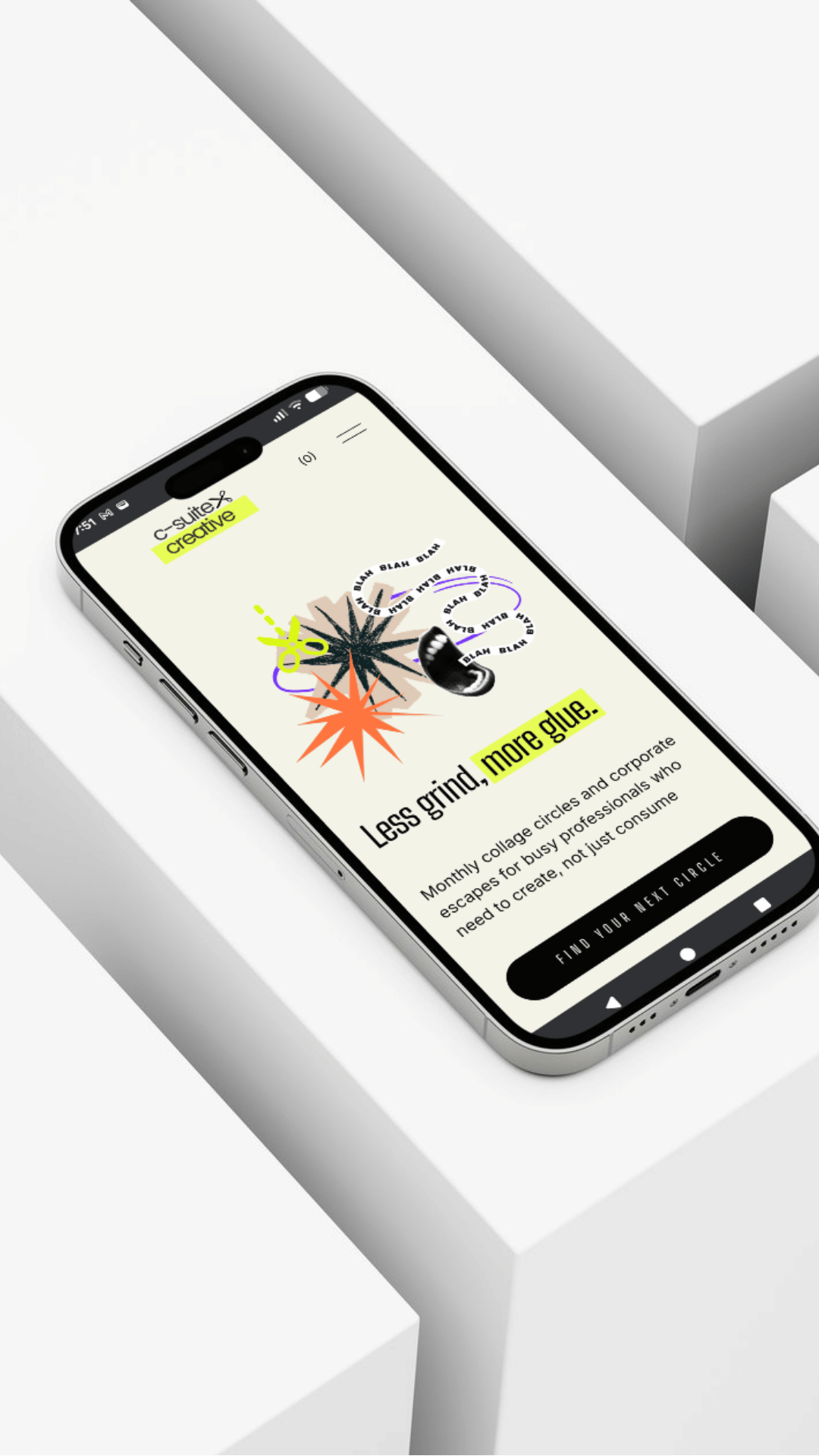
brand + web design
Before going public, I designed my brand and built the website.
The Structure
The Rules (Or Lack Thereof)
There are only two guidelines:
You don't have to show anyone what you're making unless you want to.
What you make doesn't have to mean anything.
These rules are designed to counteract everything we learn in creative industries: that work must have a concept, must communicate clearly, must be showable, must justify its existence.
What Happens in the Room
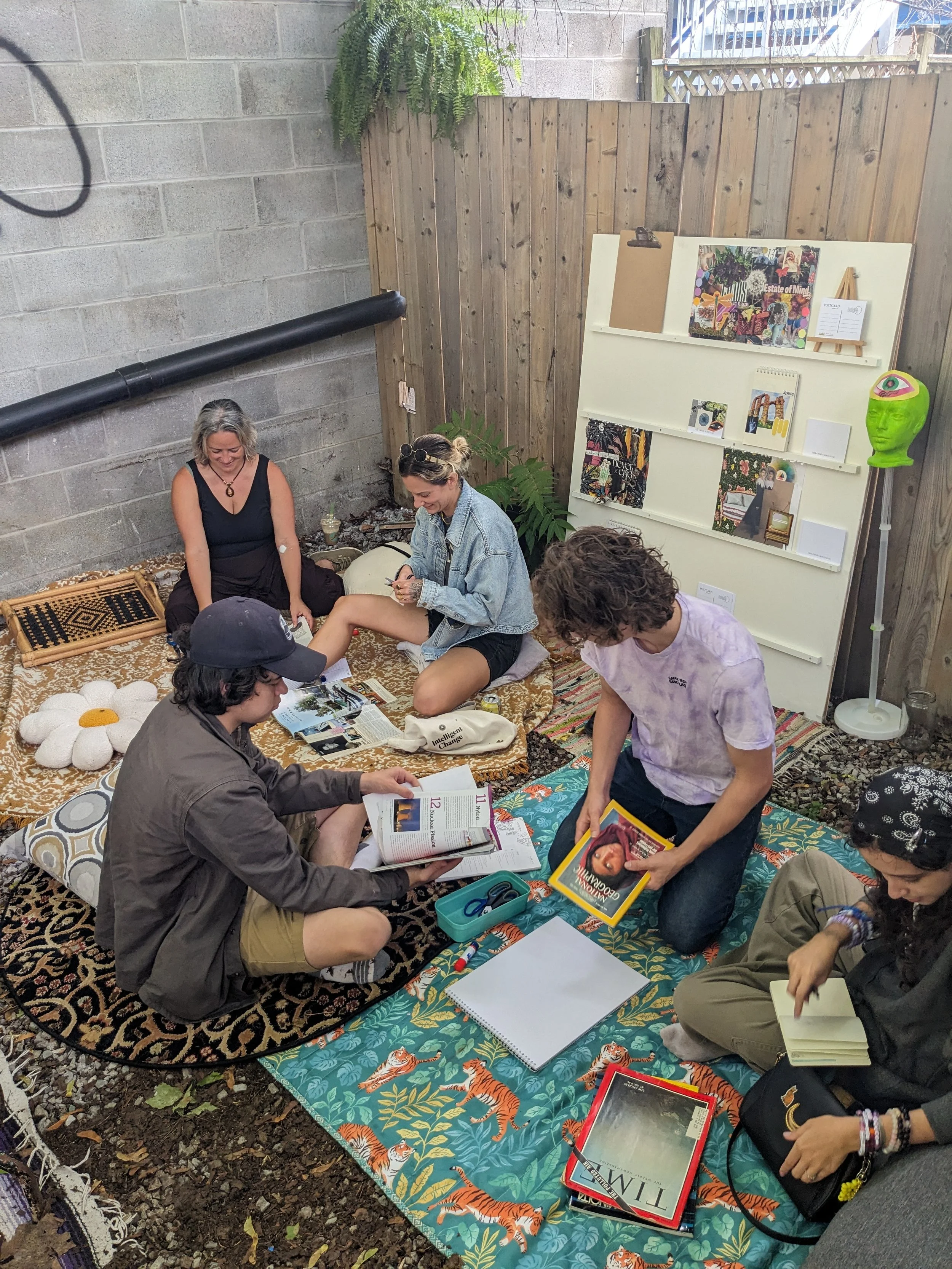
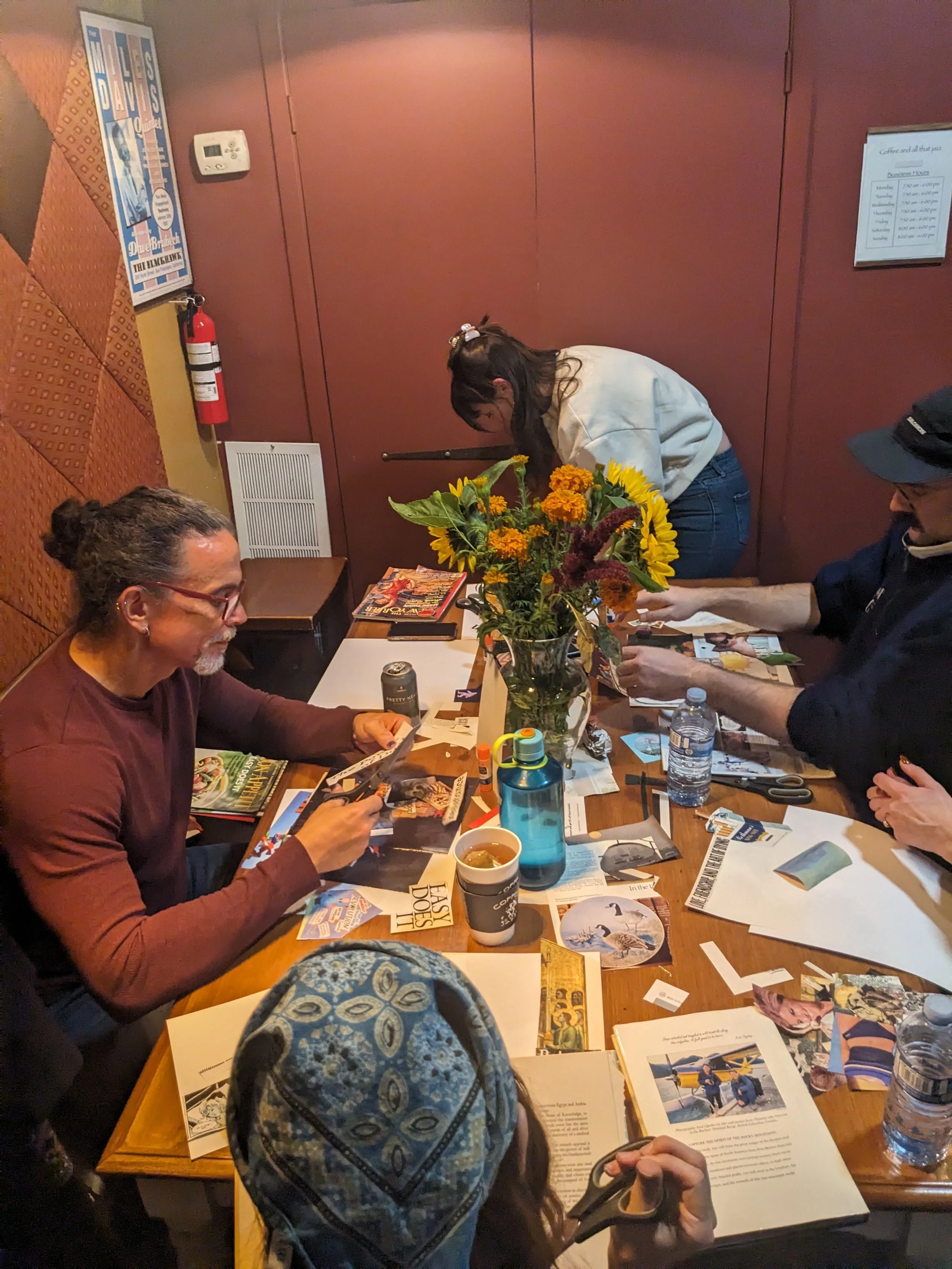
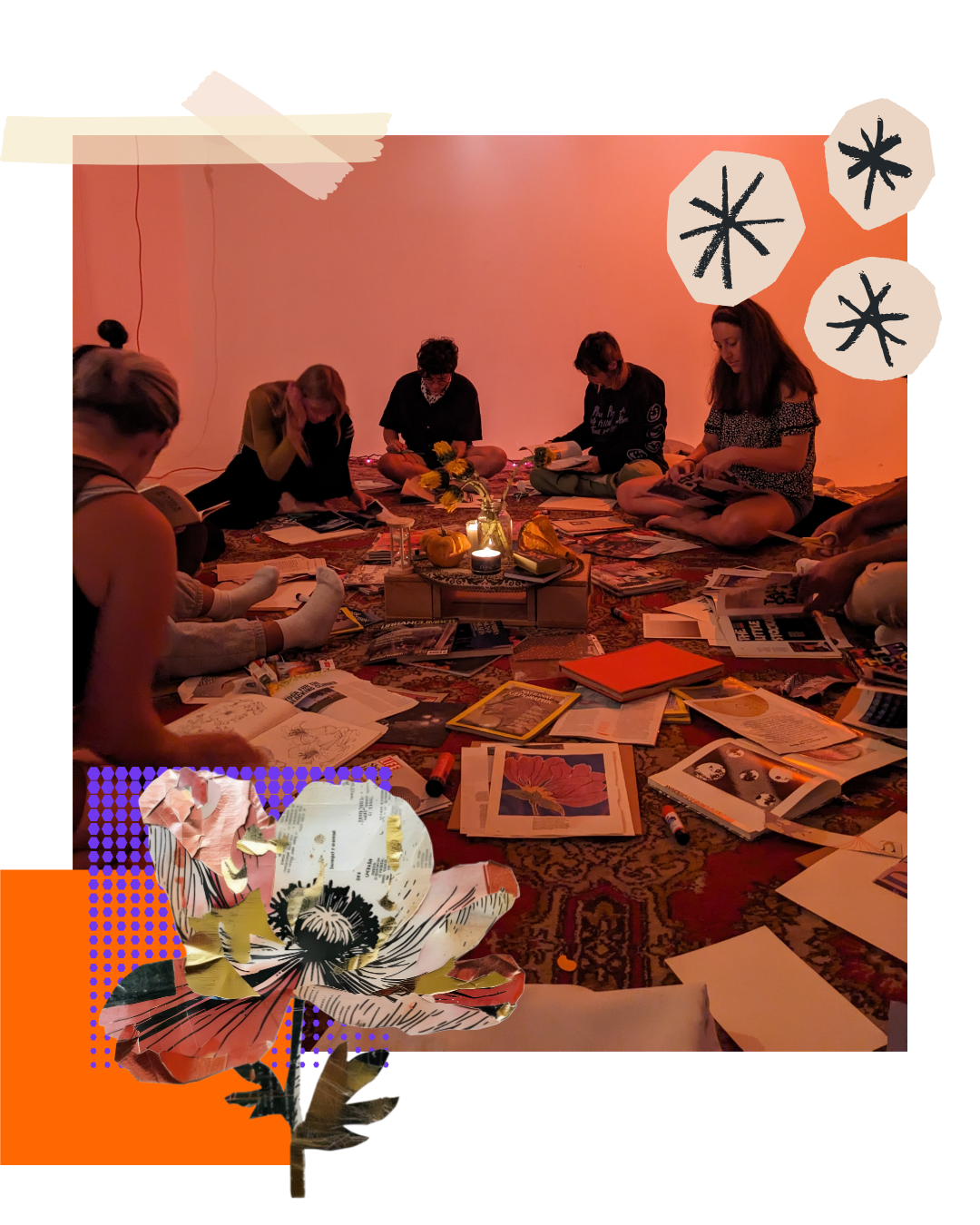
The first 20 minutes are always awkward. People flip through magazines, uncertain. They're waiting for instructions that won't come. They're anxious about "wasting" materials or "doing it wrong."
Then someone makes the first cut, glues the first piece down. Others follow. The room gets quieter. Hands move faster. People stop apologizing for their work.
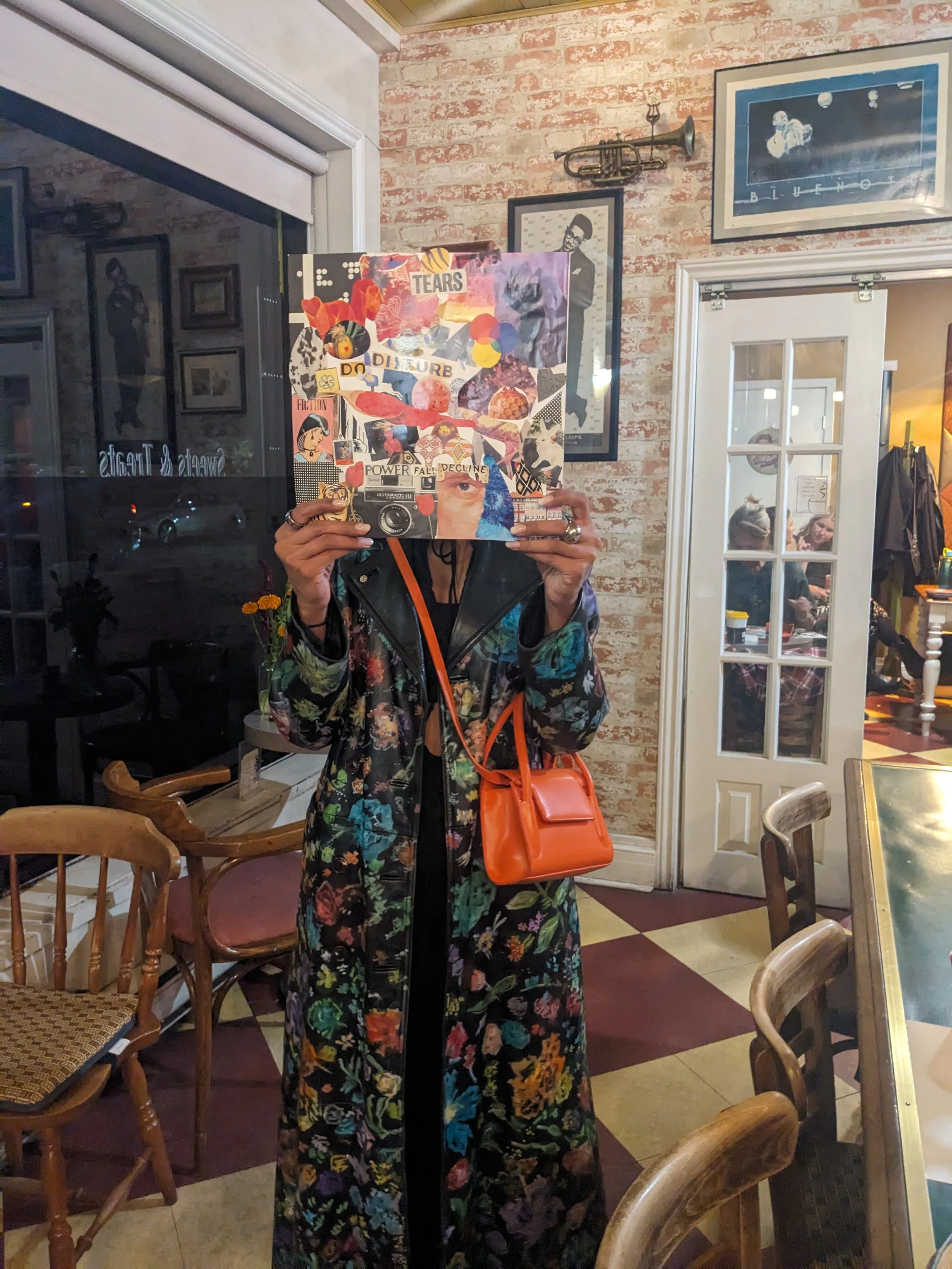
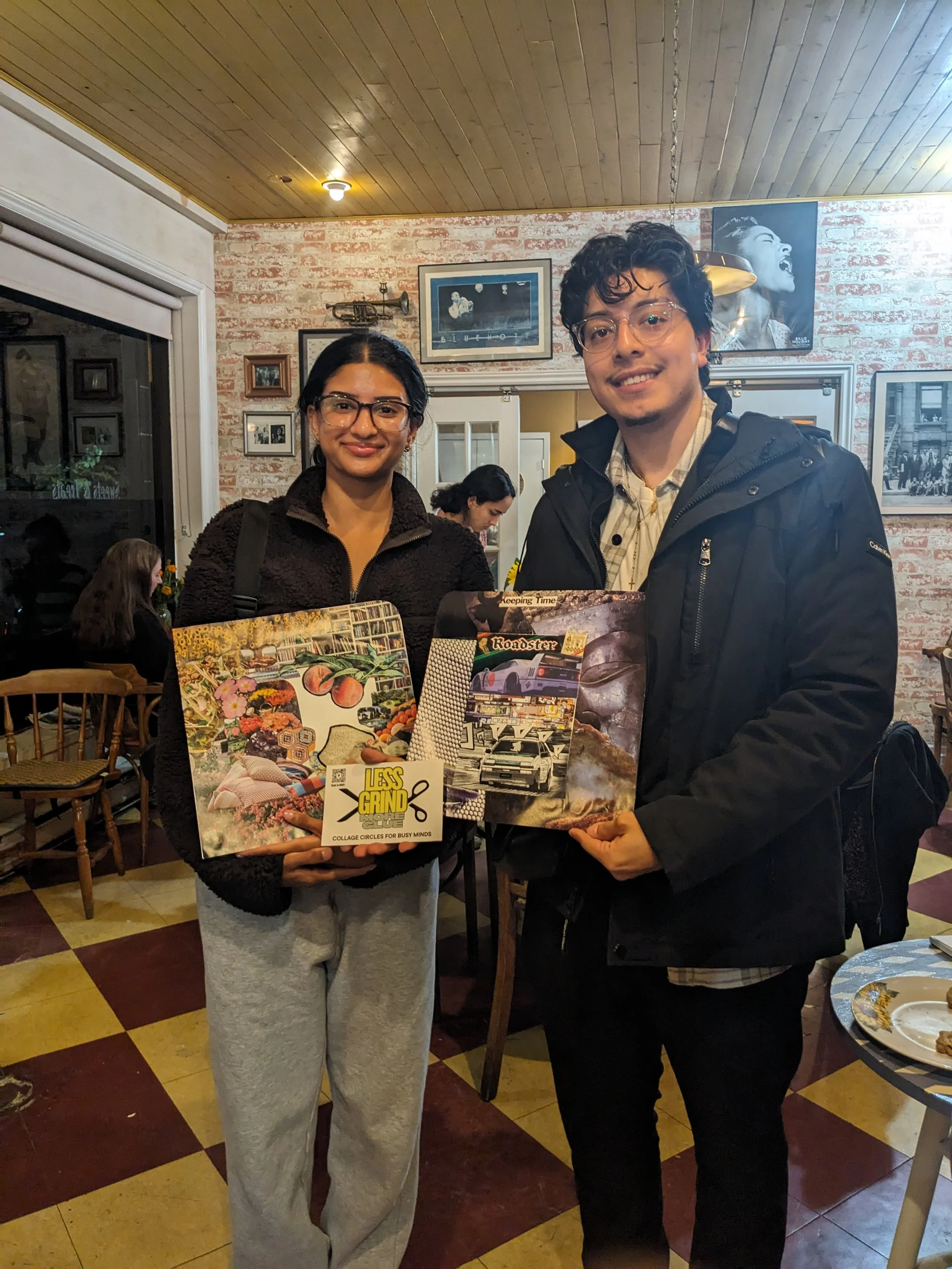
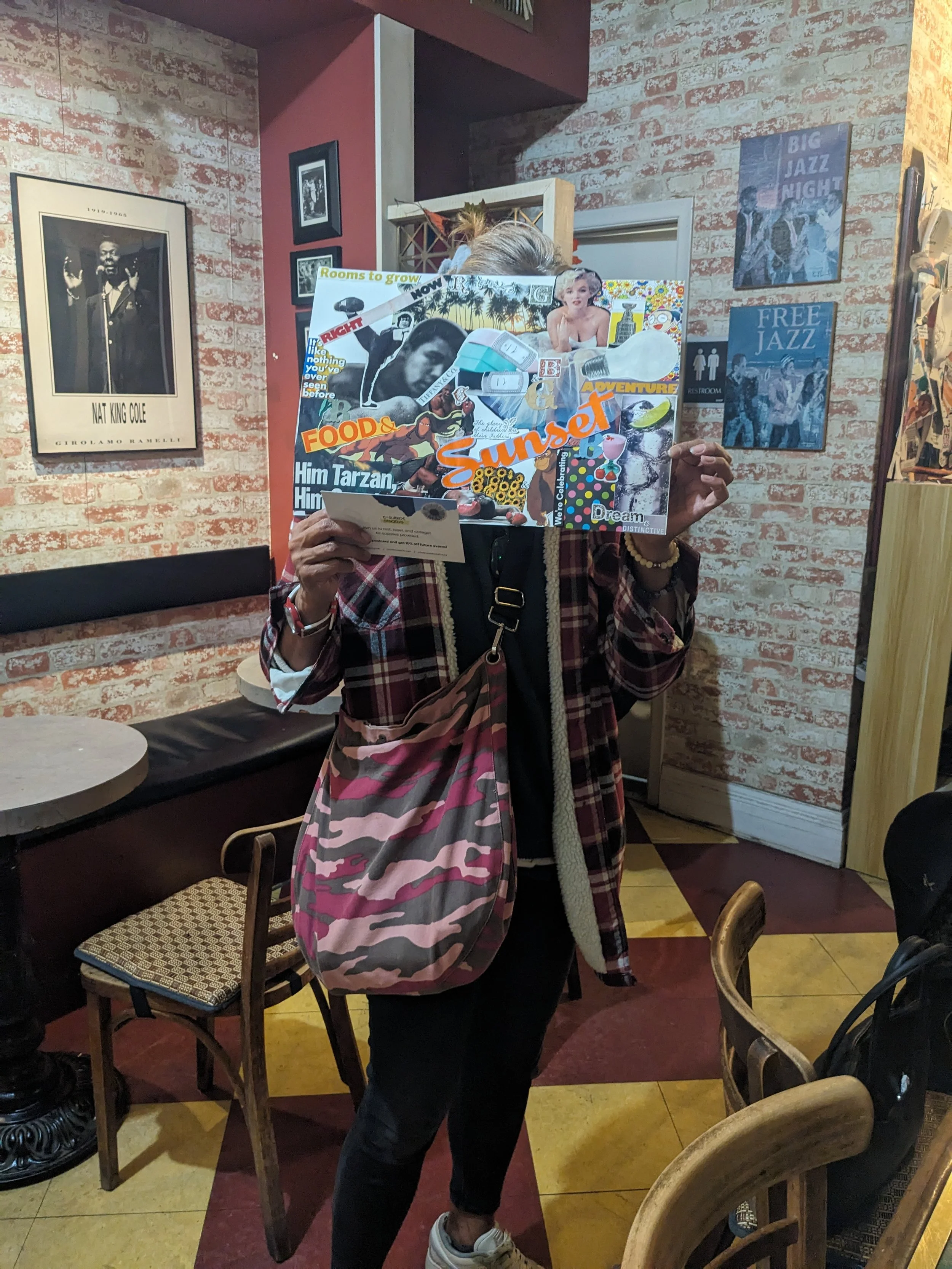
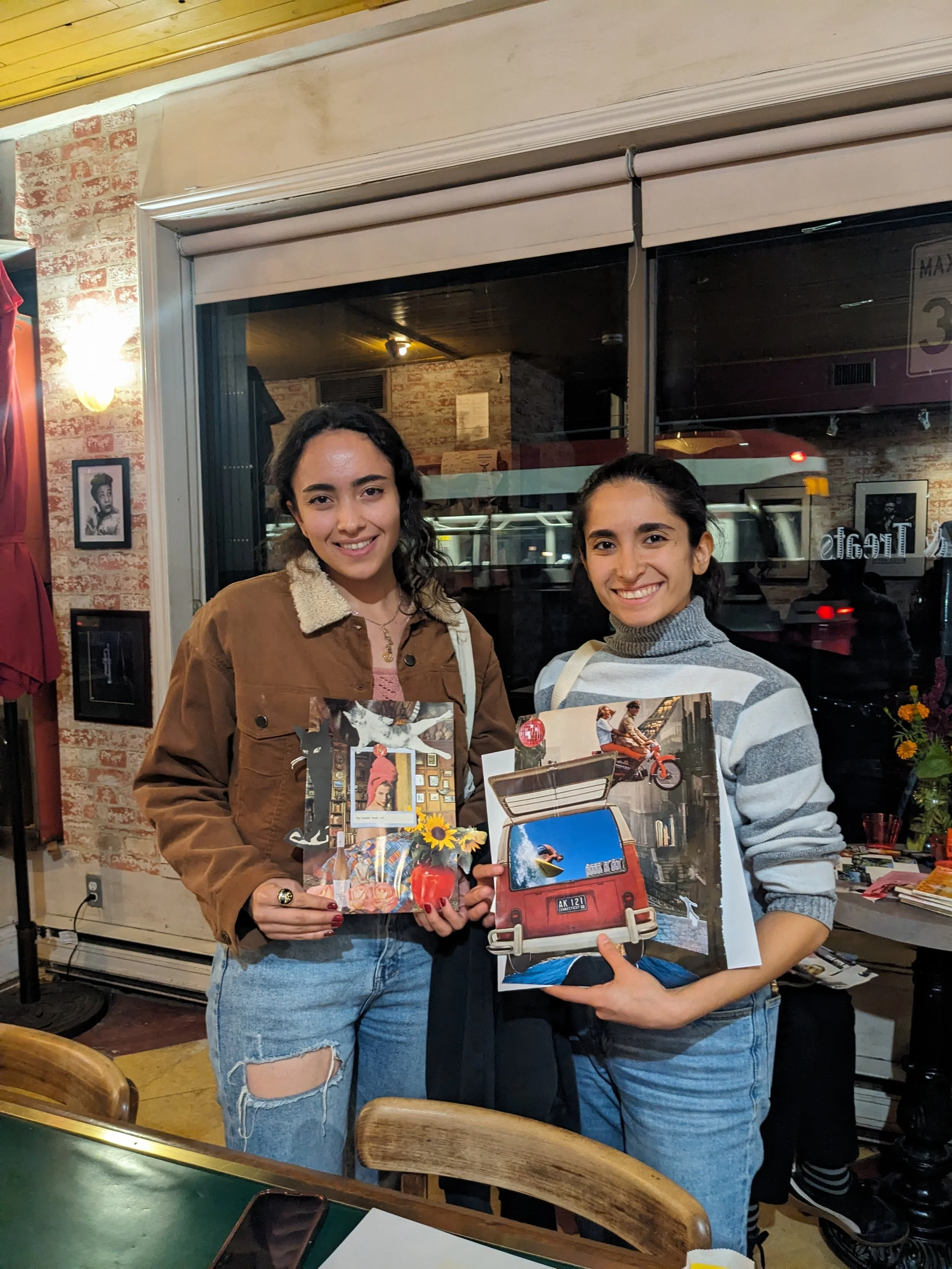
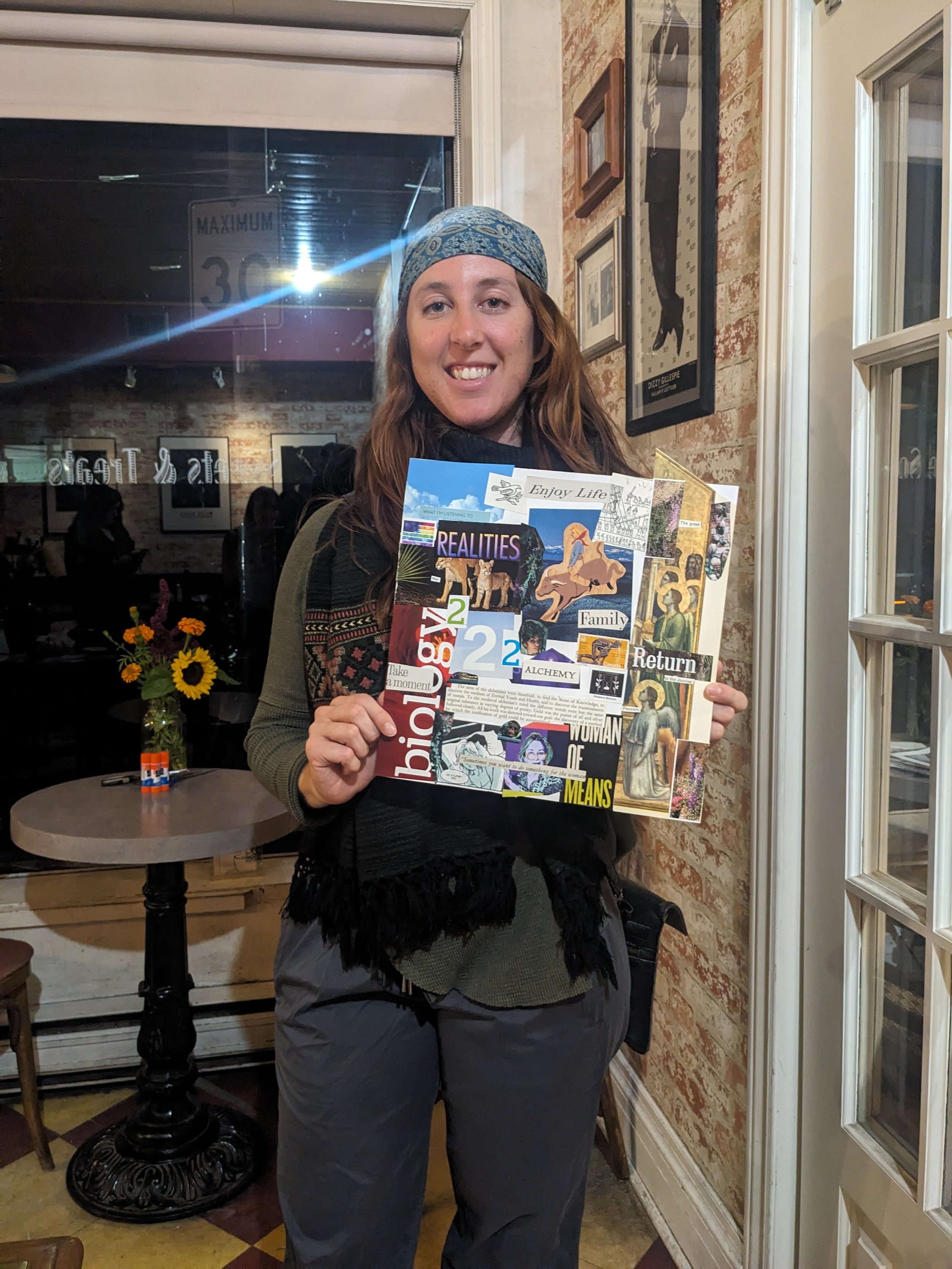
By the end, people don't want to leave. They're surprised by what they made. They forgot they could make things just for themselves.
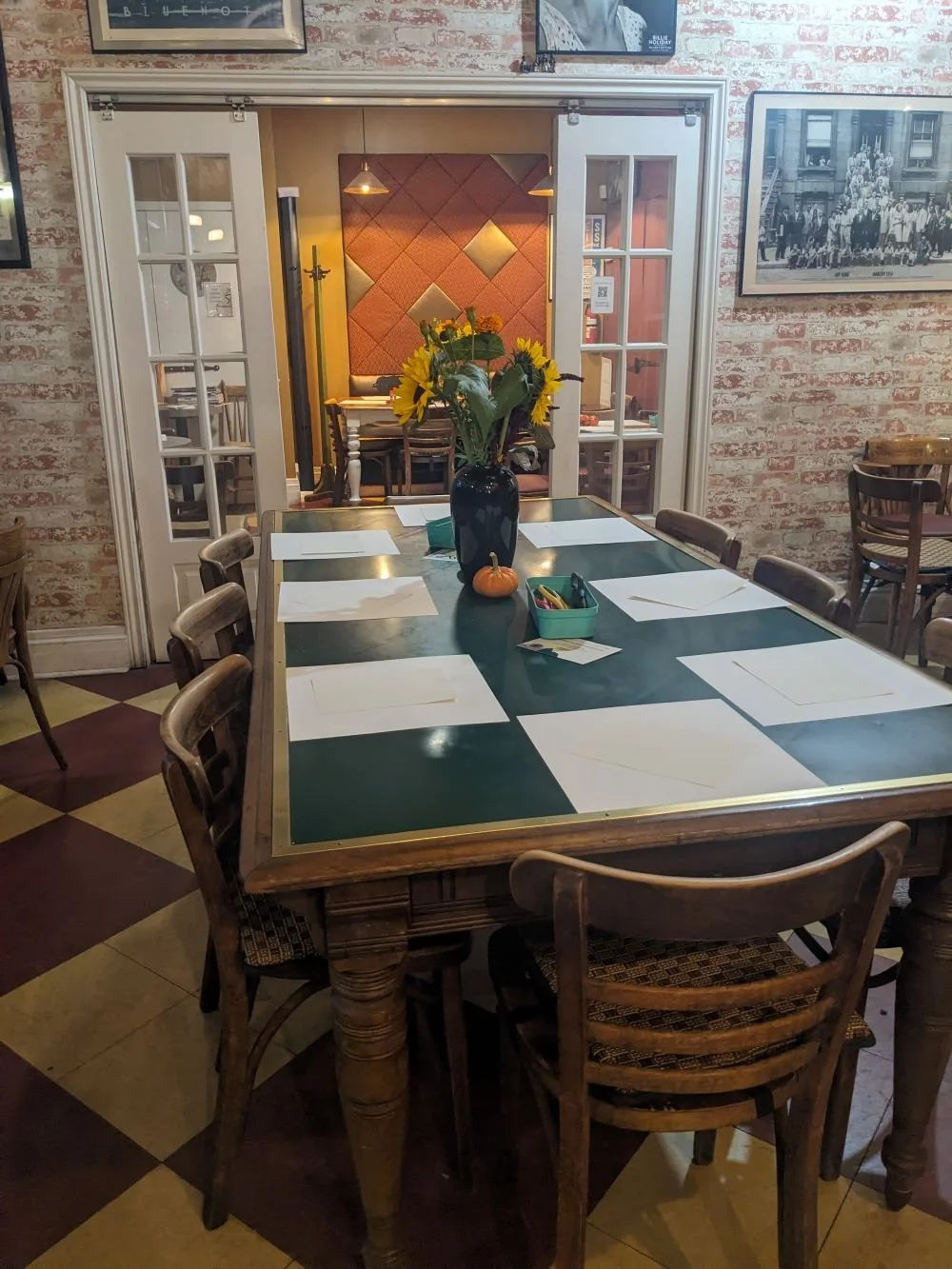
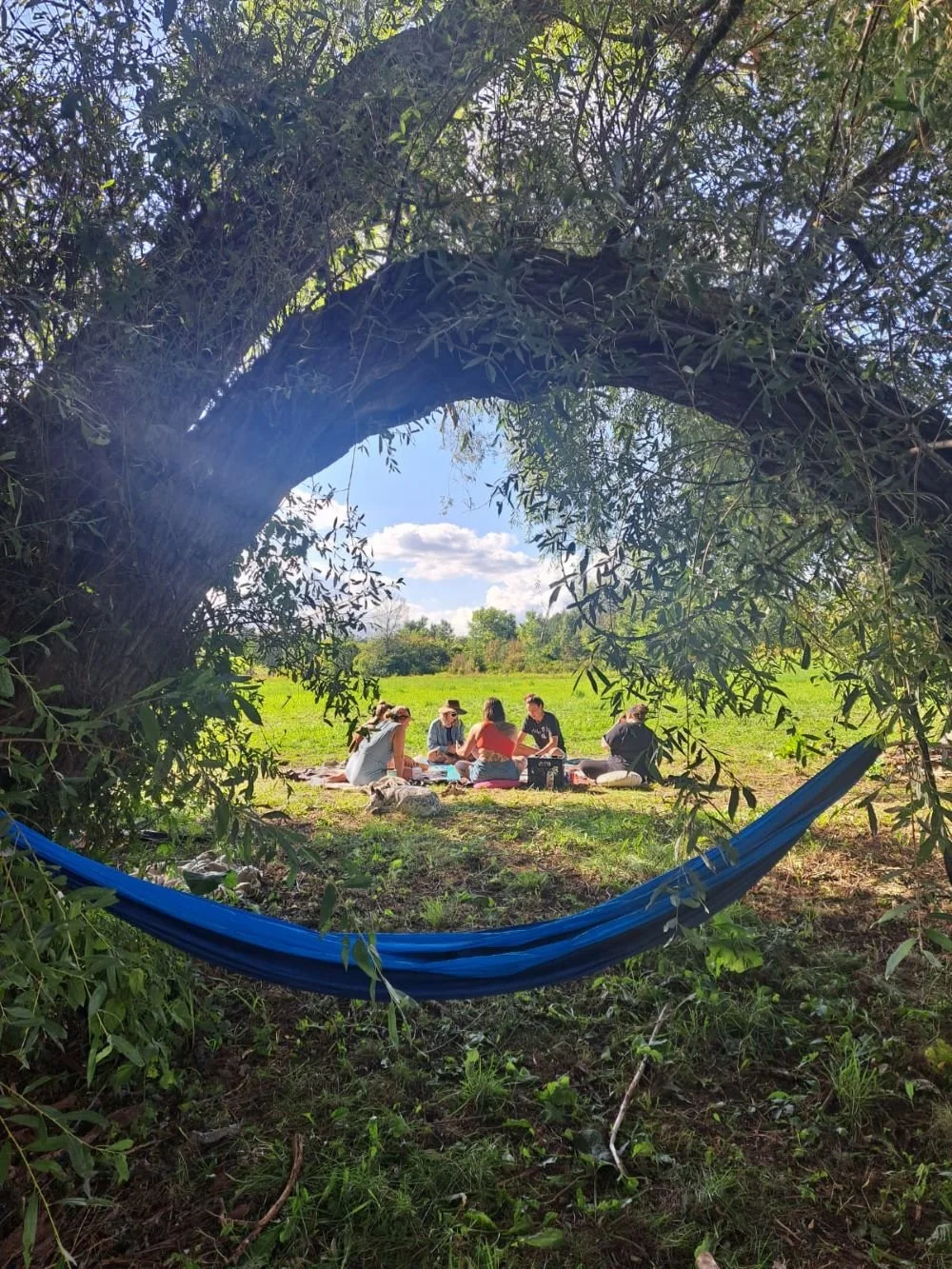
Sessions run 2-3 hours. I provide materials—magazines, decorative papers, vintage ephemera, glue sticks, scissors. People bring nothing but themselves. We sit around tables, usually in community spaces or my studio, and work in comfortable silence or casual conversation.
Why This Matters
The aesthetic was clean, classic, and respectful. Black and white photography for vintage moments. Team colors used sparingly and strategically. Typography that felt authoritative without being overwrought. Museum-quality framing because these pieces needed to last.
-
We've been taught that making things is only valuable if it serves a purpose—if it advances a career, builds a brand, or generates income. We've forgotten that creativity is also rest, play, and self-discovery.
-
Every person who comes to a Collage Circle says some version of "I'm not creative" or "I can't draw." They've internalized the idea that creativity is a talent you either have or don't, rather than a practice anyone can access.
-
In a world that demands everything be monetized, documented, or optimized, choosing to spend hours creating something that might never be seen or serve any function is a quiet act of resistance.
Facilitating collage circles has taught me more about creative leadership than any workshop or book. When you strip away metrics, deadlines, and outcomes, you see what creativity actually is: curiosity, experimentation, and the willingness to follow instinct even when you don't know where it leads.
This practice keeps me grounded when I'm back in the studio managing campaigns and deadlines. It reminds me that the goal of creative work isn't just efficiency—it's helping people access something true about themselves or connect with something meaningful. That applies whether you're making a collage or a campaign.
It's also taught me about community building, which is increasingly what brands need. Creating spaces where people feel seen, heard, and free to experiment—that's the same skill required to build brand loyalty or create campaigns people actually engage with.
What I’ve Learned
the future
Right now, Collage Circles is a passion project—something I do because it feeds my soul and keeps me connected to why I got into creative work in the first place.
But the skills I've developed here—community building, creating safe spaces for experimentation, understanding what makes people engage—are exactly what agencies and consumer brands need when they're trying to build genuine connection with audiences.