
hockey nightS (in toronto)
Designing collectibles that honor a century of hockey culture—from Original Six nostalgia to modern championship moment
Role
Department Manager + Lead Designer
clients
NHL, MLSE, CFL, Toronto Blue Jays
year
2017-2020
the challenge
Canadian sports fans don't just follow teams—they inherit them. Hockey loyalty gets passed down through generations. A Toronto Maple Leafs fan can tell you about games their grandfather watched in 1967. A Montreal Canadiens supporter knows every detail of the Forum's glory days even if they never set foot in the building.
At Frameworth Sports Marketing, we had licensing partnerships with the NHL, MLSE (Maple Leafs, Raptors, Toronto FC), the CFL, and the Toronto Blue Jays. Our job was to create branded collectibles that honored this intergenerational connection to sport—objects that would feel as meaningful to someone's grandfather as to their grandson.
I managed the creative department, leading design direction, client pitches, licensing coordination, and production oversight for collections that generated $5+ million for Canadian charities.
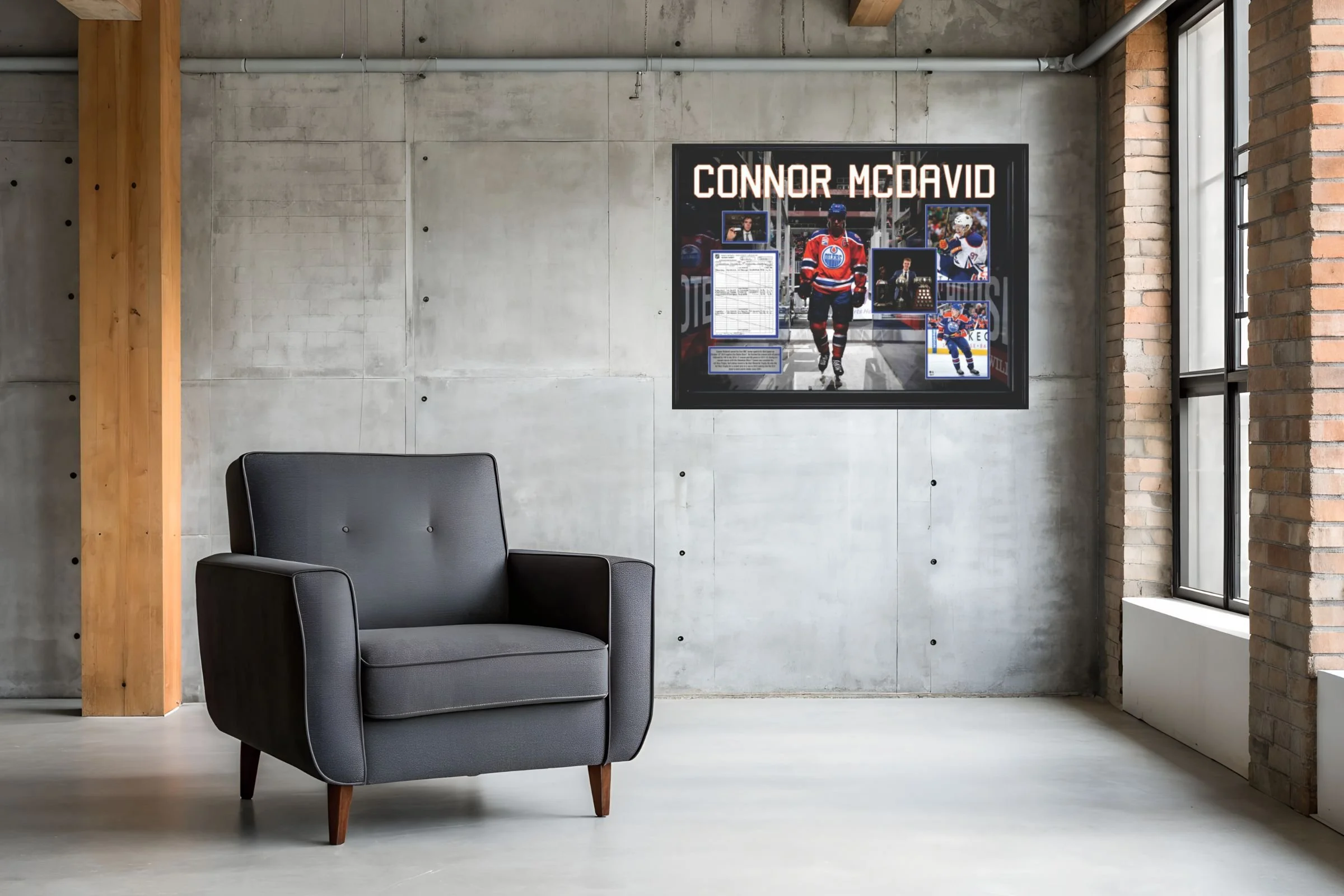
The Design Philosophy
My museum training shaped everything. I approached vintage team photography, historic jerseys, and game footage with the same reverence I'd learned handling artifacts at Parks Canada. These weren't just marketing materials—they were cultural documents.
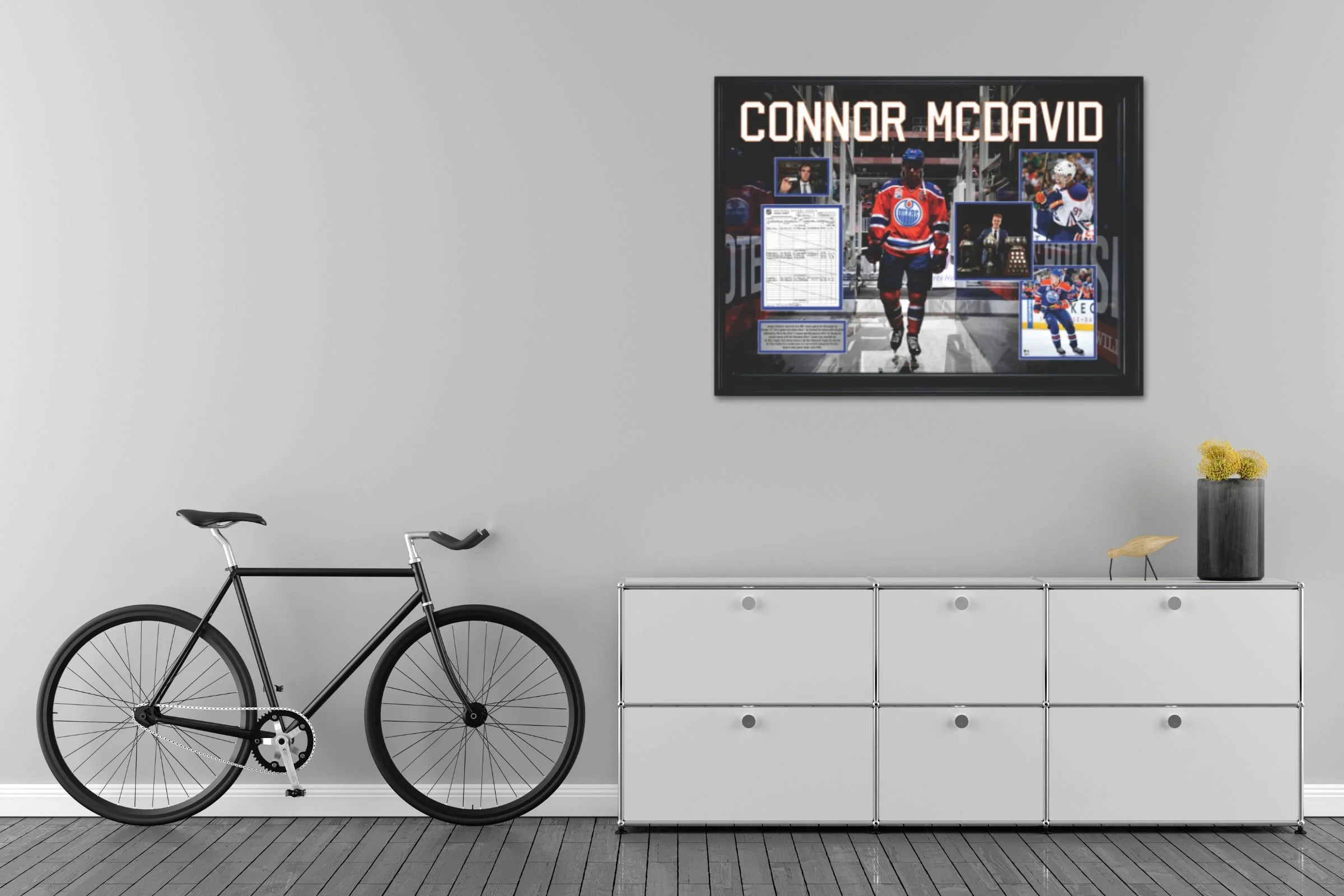
A photo of Connor McDavid is just a photo unless you understand what he meant to Edmonton, to Canada, to the sport. Every piece we designed included context—dates, scores, quotes, historical details that helped viewers understand why this moment mattered.
The Operations
Client relationship management
I pitched new concepts to teams and leagues, navigated approval processes, and managed stakeholder feedback. Sports licensing is complex, everyone has opinions, and egos run high. Success required diplomacy as much as design skill.
Team mentorship
I oversaw junior designers, teaching them how to balance creative vision with commercial realities. The best sports design requires restraint—knowing when to let the content speak for itself.
Production oversight
I worked directly with the production team to ensure quality matched design intent. Framing, printing, materials selection—every detail mattered because fans notice everything.
Leading the department meant I wasn't just designing—I was building systems that allowed us to produce high-quality work at scale.
What Made This Work Special
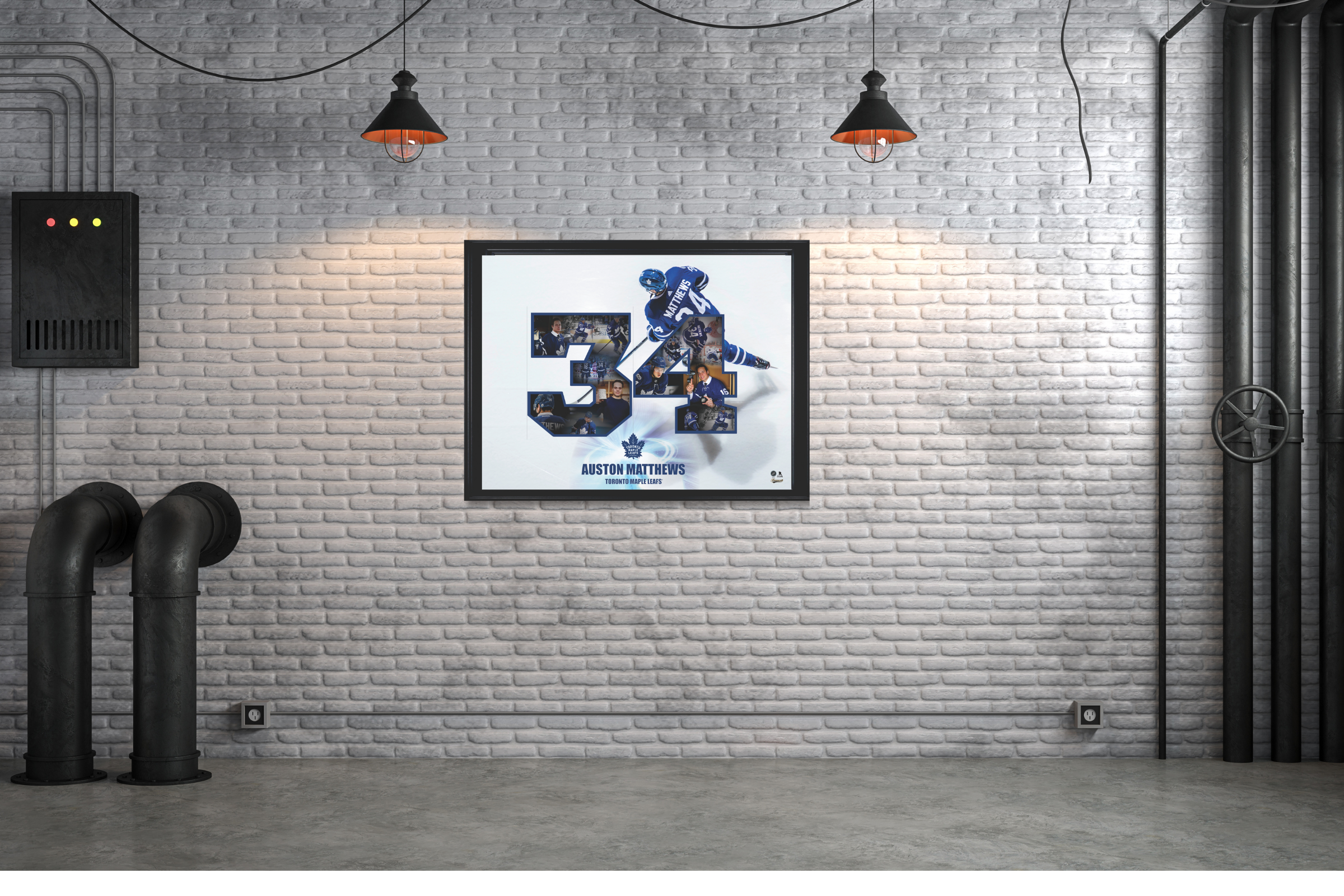
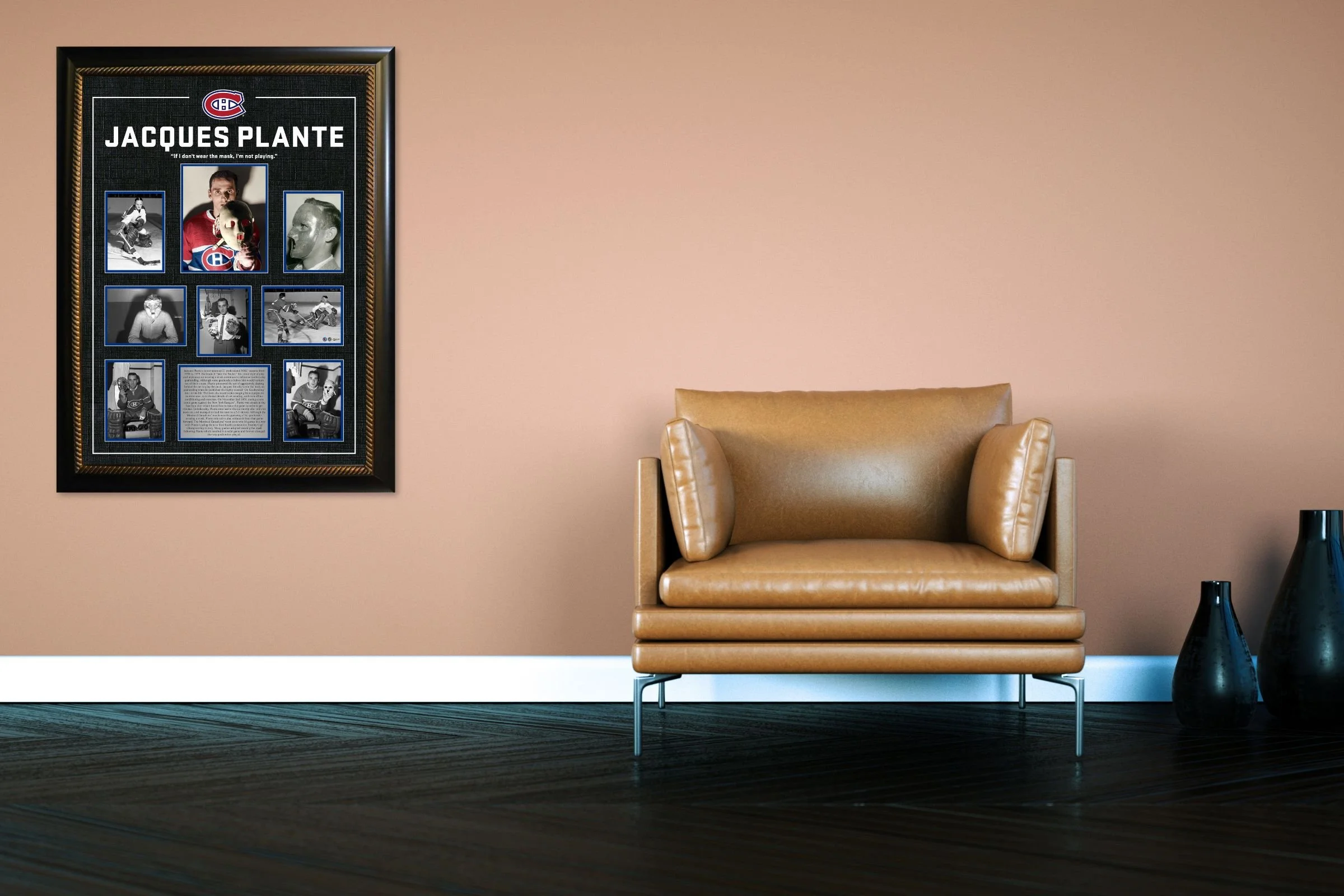
The aesthetic was clean, classic, and respectful. Black and white photography for vintage moments. Team colors used sparingly and strategically. Typography that felt authoritative without being overwrought. Museum-quality framing because these pieces needed to last.
-
Sports fandom is tribal, emotional, and often irrational. The best memorabilia doesn't just commemorate a game—it validates someone's lifelong devotion to a team.
-
Revenue from many of these collections went to organizations supporting Canadian youth, health initiatives, and community programs. The work had purpose beyond profit.
-
You can't create meaningful hockey memorabilia unless you understand what hockey means to Canadians. My anthropology background helped me see that we weren't selling products—we were creating vessels for identity and belonging.
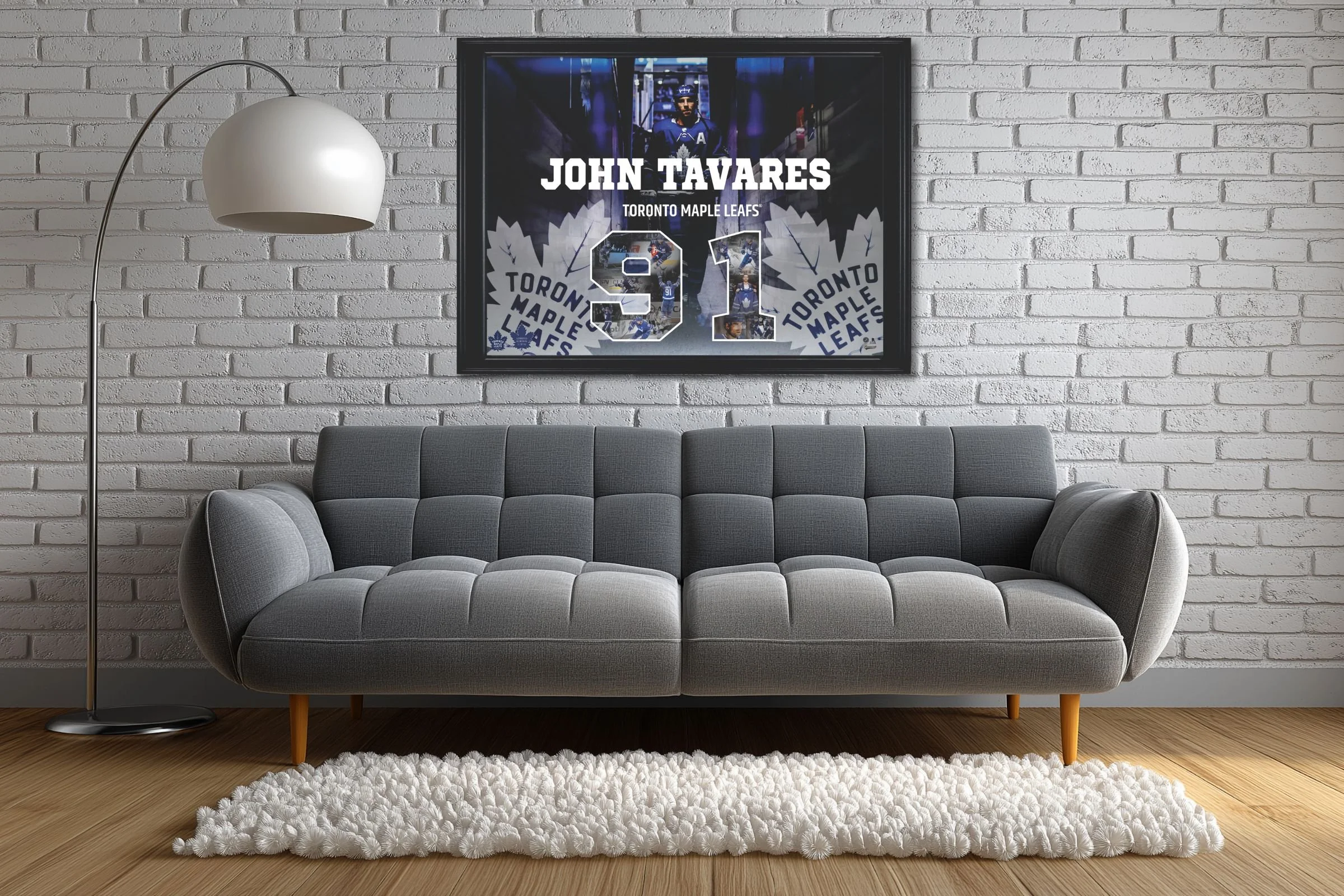
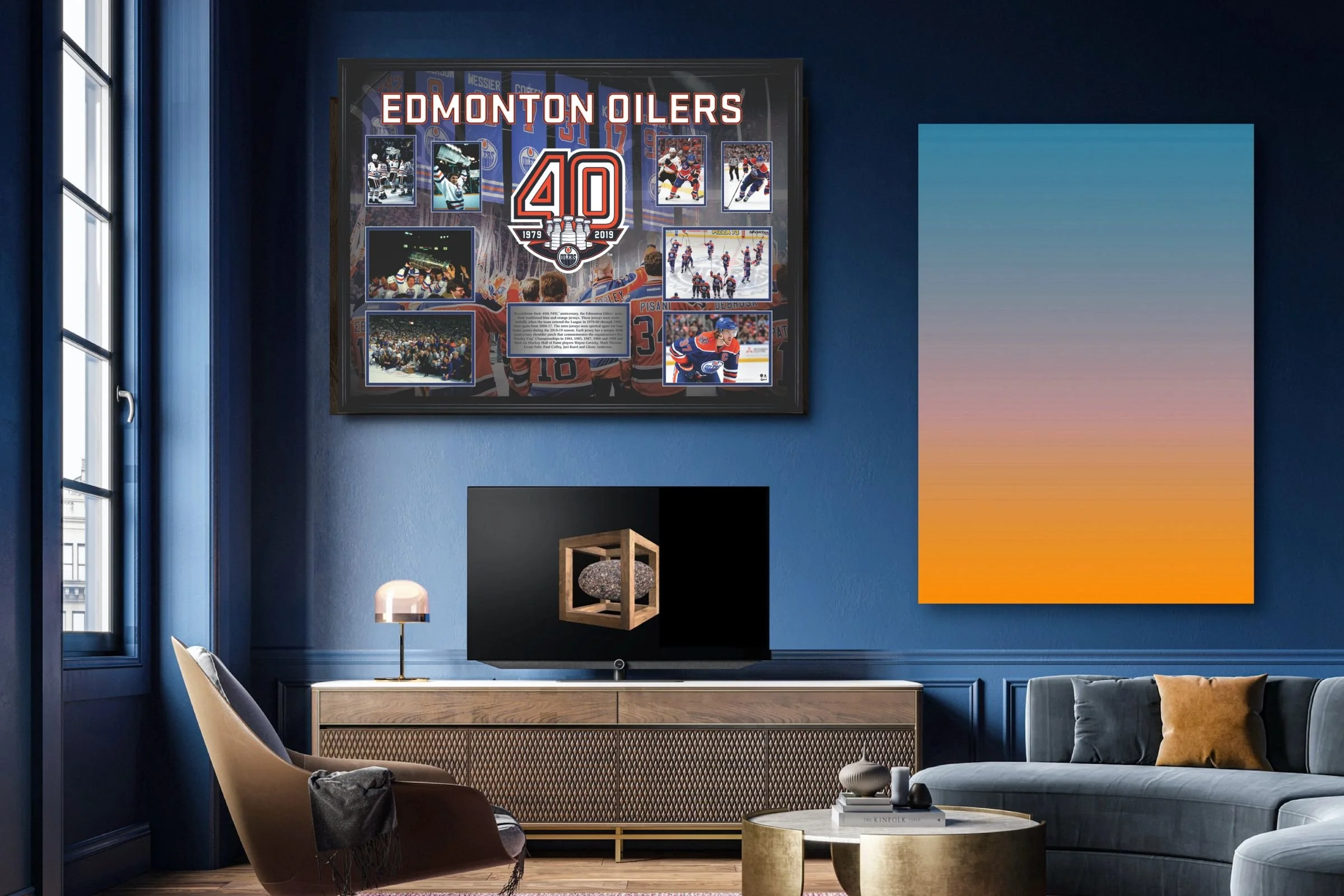

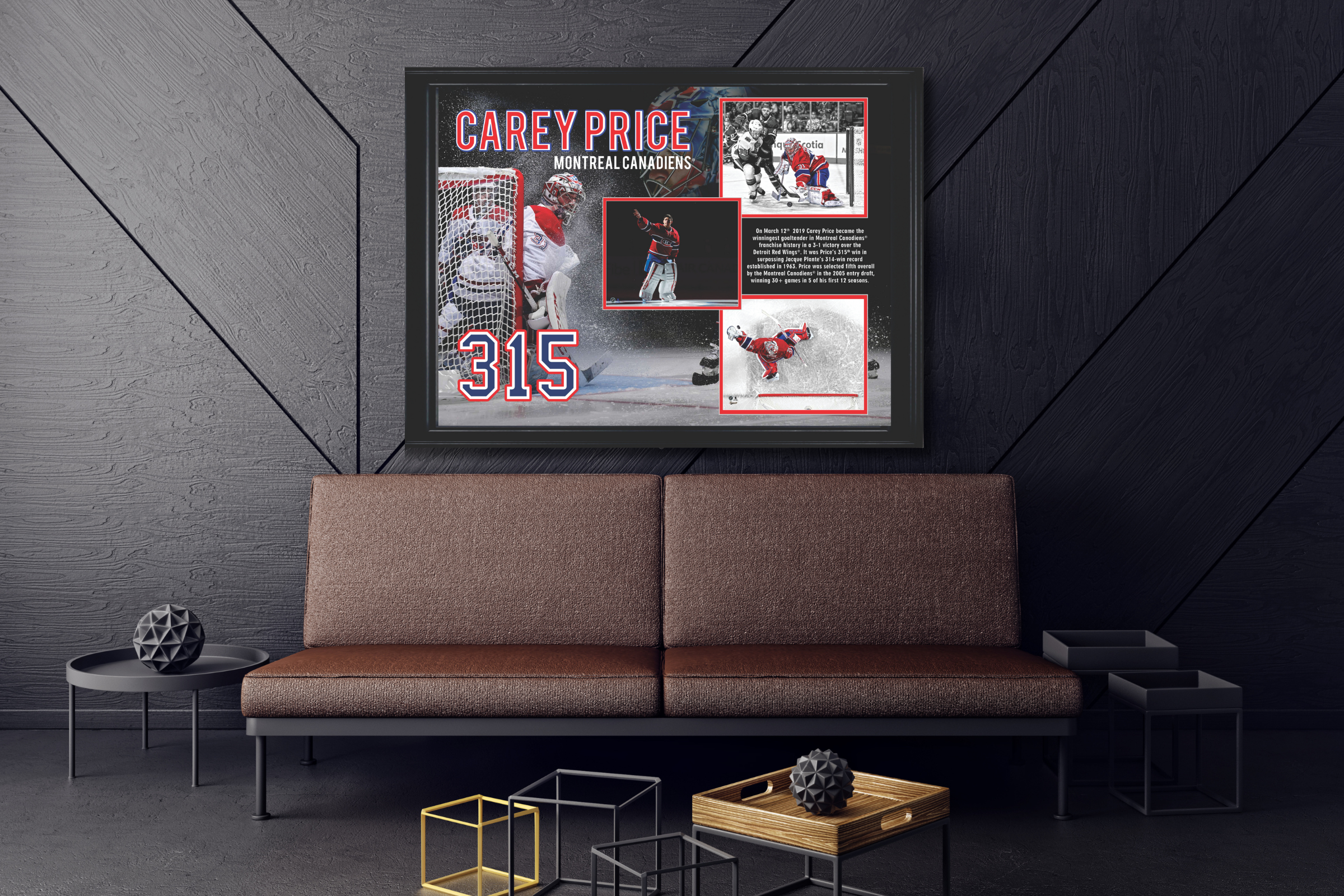
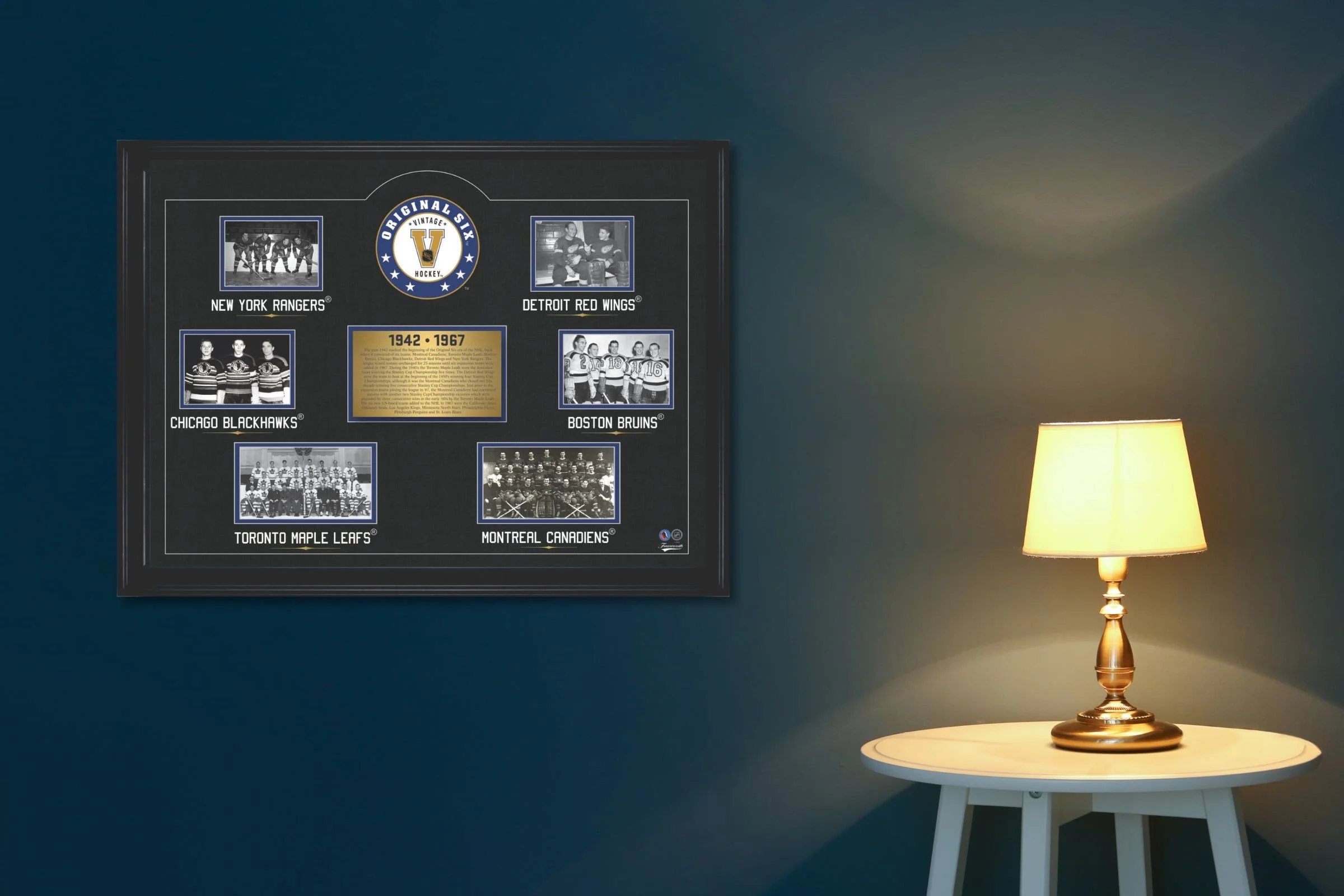
This work taught me that design excellence isn't just about aesthetics—it's about understanding the emotional and cultural weight an object carries. A framed photo of the 1967 Maple Leafs isn't just wall art. For some fans, it's the last time their team won the Stanley Cup. That context matters, and it's the same skill consumer brands need when creating products people form attachments to.
I also learned that I thrive when I'm working on projects where the audience cares deeply. Sports fans are passionate, opinionated, and unforgiving of mediocrity. That pressure made me a better designer and leader. I want to work with brands and teams that have equally passionate audiences.
This experience proved I can manage complex stakeholder relationships (leagues, teams, players, licensors), move fast without sacrificing quality, and create work that drives both emotional connection and business outcomes.